
Beginner freediving gear guide for the Pacific Northwest
This gear guide is based on standard beginner freediving equipment principles, with a few local notes for Puget Sound, the Salish Sea, and nearby Pacific Northwest waters.
If you’re buying your first freediving gear, I’d prioritize it in the order below. This order factors in price, versatility, and how well each piece of gear can grow with you. The goal is to start with gear that is useful right away, works for courses, and still makes sense if you branch into snorkeling, scuba, fun diving, spearfishing, or deeper freediving later on.
1. Mask and snorkel
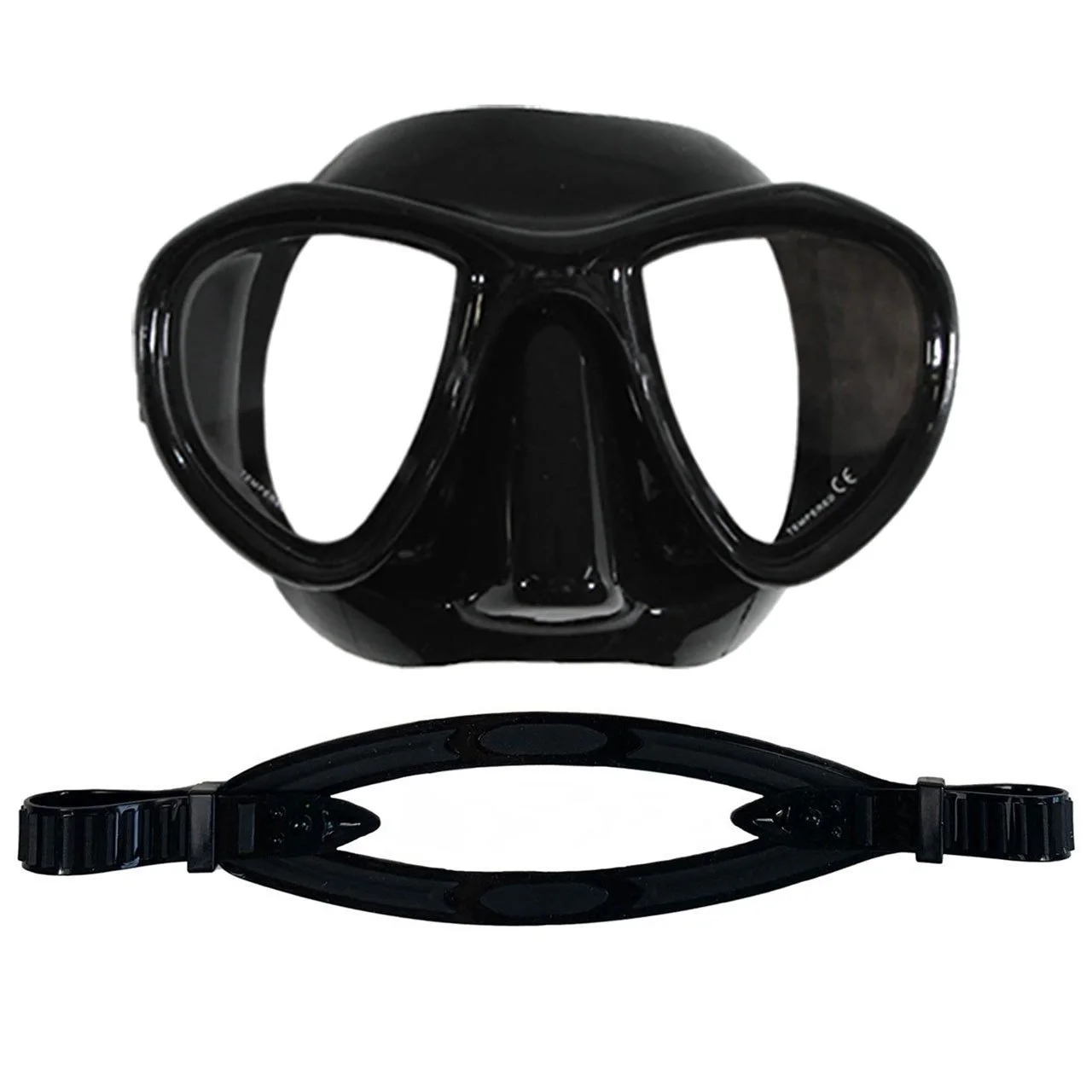
A well-fitted mask and simple snorkel are the foundation for freediving and underwater adventures of all types. A good freediving mask should have a low-volume design, soft silicone skirt, clear lenses, and a comfortable seal on your face.
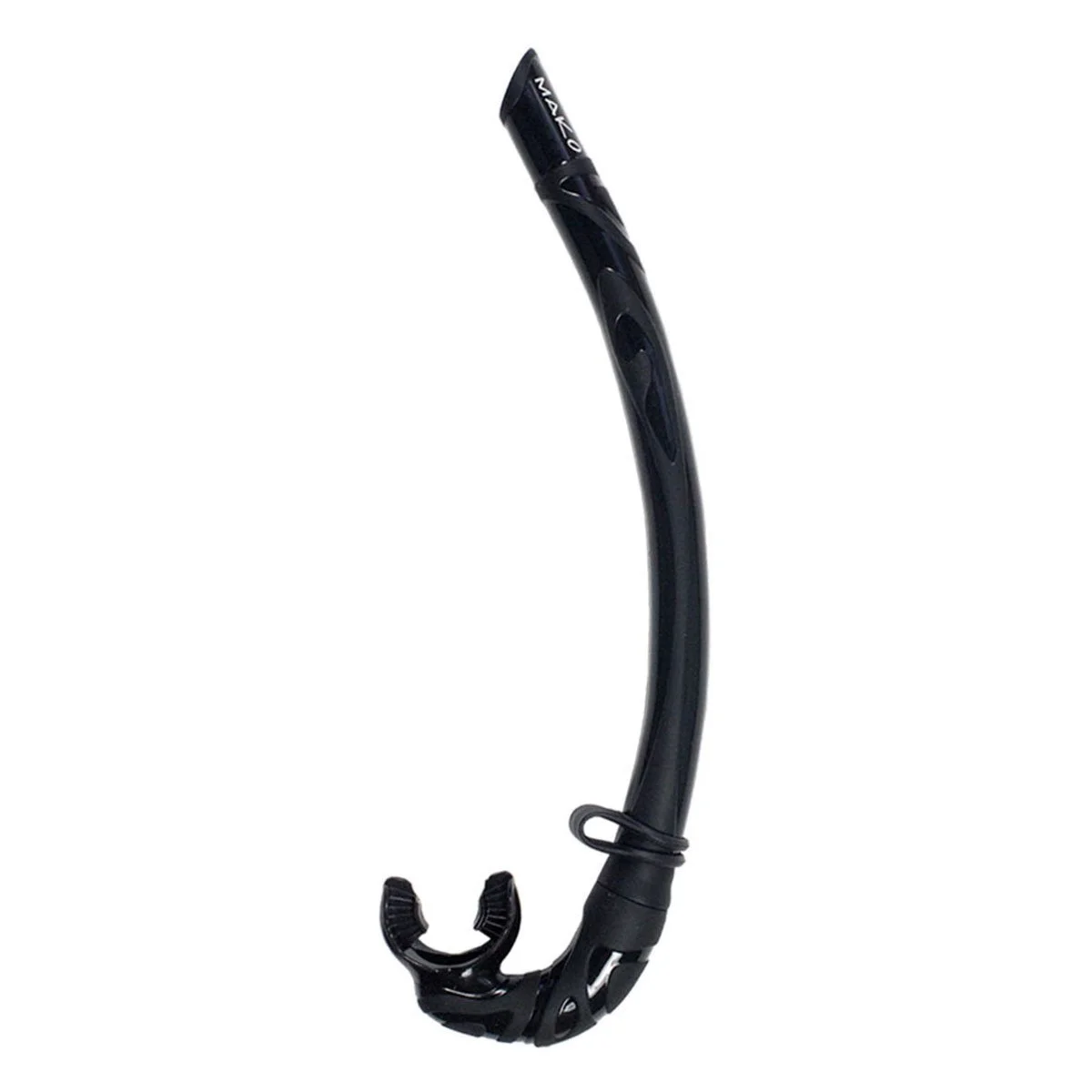
For the snorkel, choose a simple J-style design. Avoid purge valves, splash guards, or bulky attachments.
I personally use a low-volume MAKO mask. They offer several options depending on face size. The Minimus works for most face types. The Catalina works for larger faces.
MAKO is US-based and offers good value entry-level freediving gear. I’m not a MAKO affiliate. I just think they’re a solid option at a fair price point, and you can often find discount codes online before ordering. If you need a mask, weight belt, and fins, their freediving packages work as a solid starting point.
2. Fins and socks
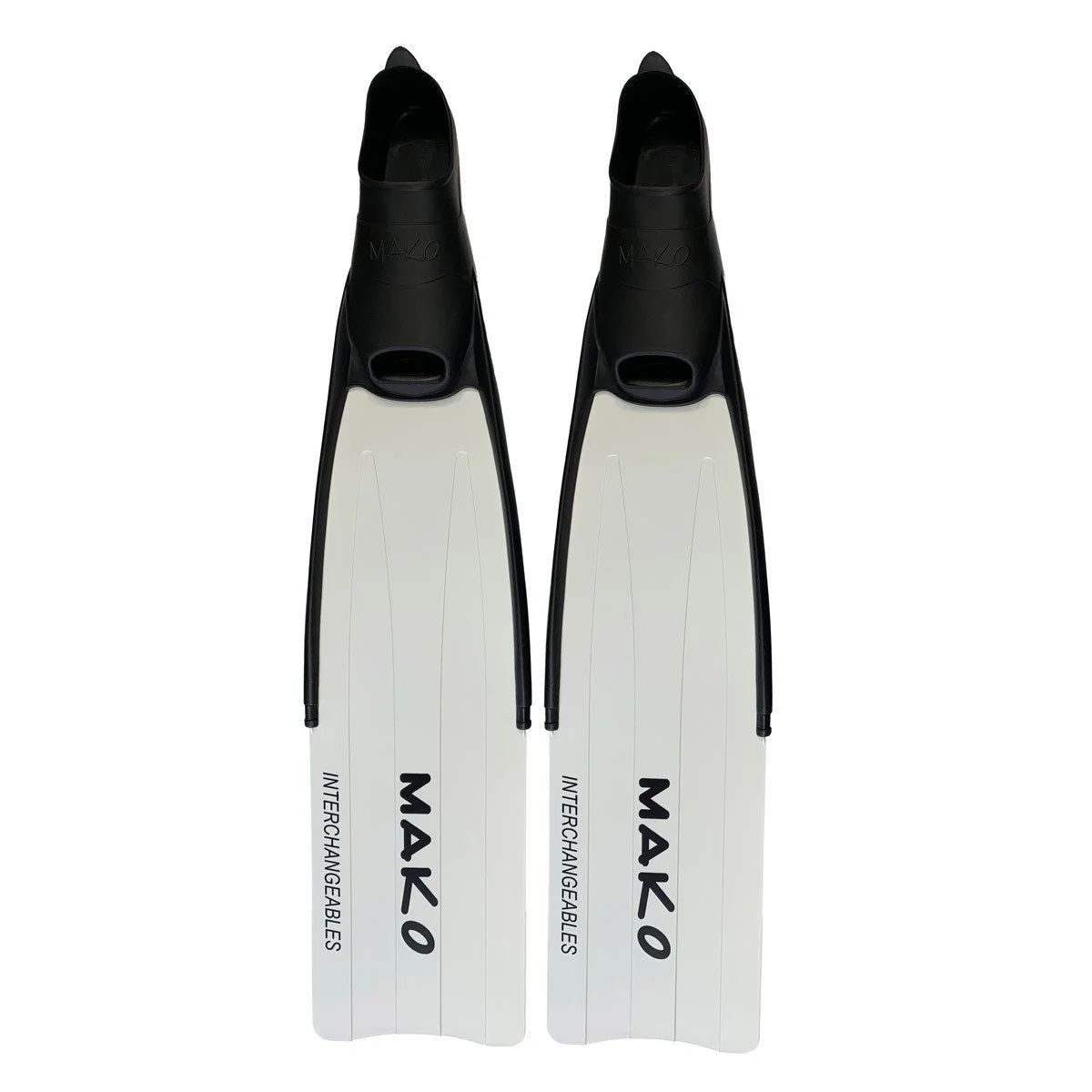
Choose closed-foot freediving bifins, not open-heel fins with straps.
Avoid anything marketed as “hard” in terms of blade stiffness. A soft fin is best for beginners. Medium is OK, especially for larger body types.
For mixed snorkeling and beginner freediving, shorter fins are perfectly fine. They are also more practical if you plan to use them for scuba.
If you expect to keep freediving or spearfishing, long plastic freediving fins are a strong-value next step and are better suited to underwater breath-hold diving. Fiberglass fins are a worthwhile upgrade later, but you do not need to start there.
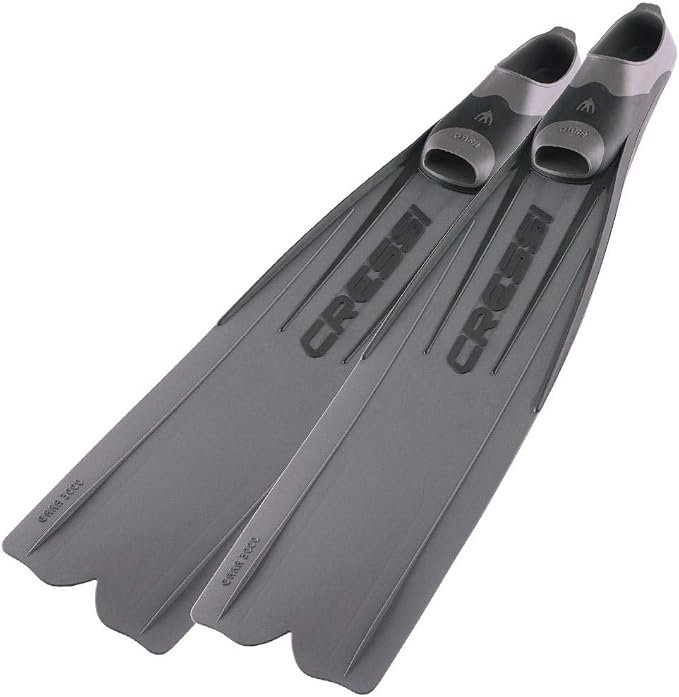
You can look at options from MAKO or entry-level models like the Cressi Gara. The MAKO fins are generally only offered as modular fins, which is fine because they offer fiberglass blades that you can upgrade to later. For Cressi Gara or other entry-level fins, you can skip anything modular.
For local saltwater diving, I recommend 5 mm neoprene socks. For Lake Whatcom in summer, 3 mm can work. Always account for sock thickness when choosing your fin size.
3. Wetsuit
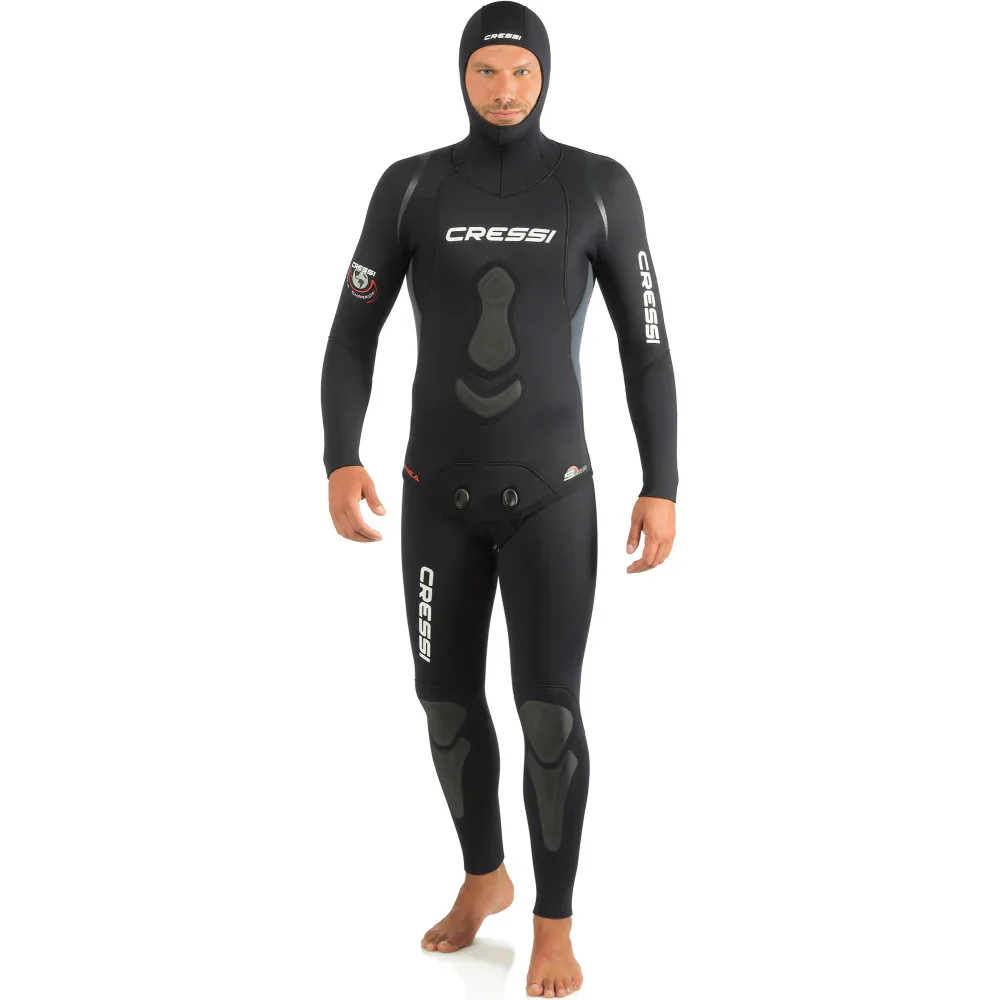
Choose a two-piece freediving wetsuit with an integrated hood.
For year-round saltwater diving around Whatcom County and the broader Pacific Northwest, a 7 mm suit is the best all-around choice. A snug fit is essential for warmth, comfort, and flexibility. If you are buying your first wetsuit for local diving, I recommend a 7 mm freediving suit. You can look at MAKO online, or try Diving Sports in Vancouver if you want to try suits on in person.
For Bellingham Freediving courses on Lake Whatcom, summer conditions are warmer than the ocean. A 7 mm wetsuit works fine, and a 5 mm wetsuit also works well. For an AIDA1 course in summer conditions, even a 5/3 or 5/4 surf-style wetsuit can work.
If you prefer to rent gear for a summer course, you may be able to find a surf-style wetsuit in your size from a local kiteboarding/wing-foiling shop like Kite Paddle Surf Shop or Pacific North Sports.
4. Weight belt and weights
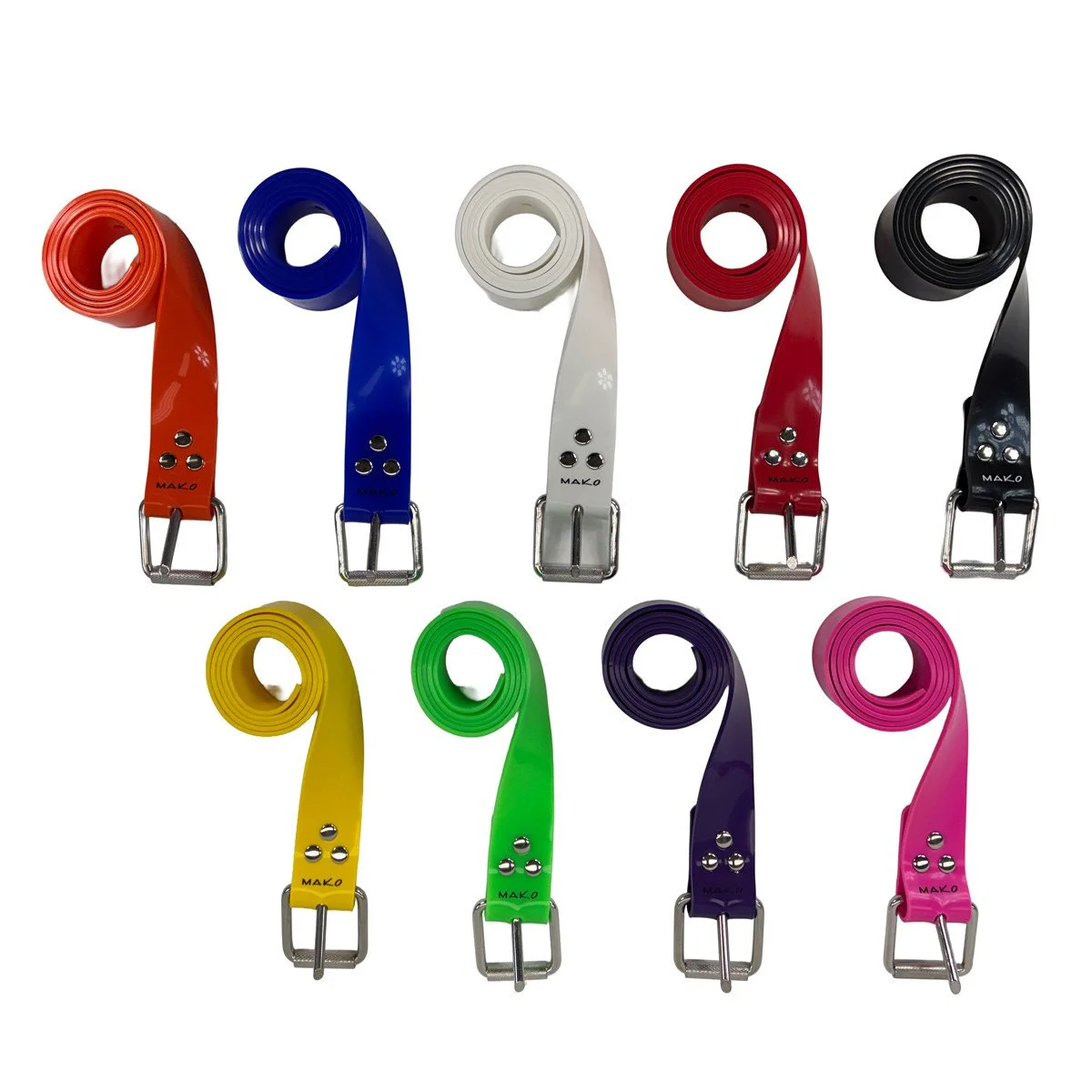
Choose a rubber or silicone freediving weight belt with a quick-release buckle. Avoid nylon belts.
In freediving, the weight belt needs to be flexible so it stays low on the hips and does not restrict belly breathing. I personally use a MAKO rubber weight belt. Amazon also has options.
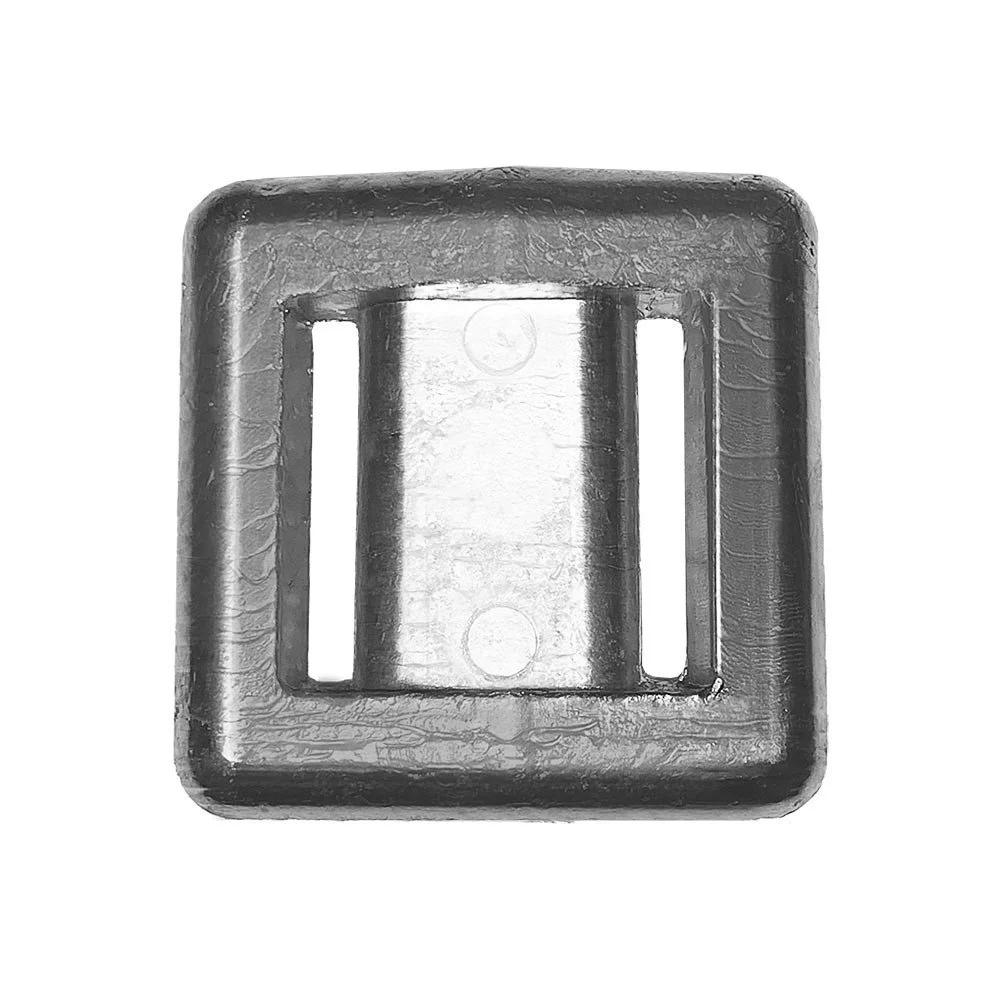
You’ll also need lead weight, which is easy to find online. For Bellingham Freediving courses, I usually have extra weight and a weight belt available to lend. Just ask ahead of time.
5. Gloves (optional)
For saltwater diving around Whatcom County and the broader Pacific Northwest, 5 mm neoprene gloves are recommended, especially during colder months.
For Bellingham Freediving courses on Lake Whatcom, gloves are generally not necessary. Most students are comfortable without them during summer courses.